Claim Your Free Estimate Today
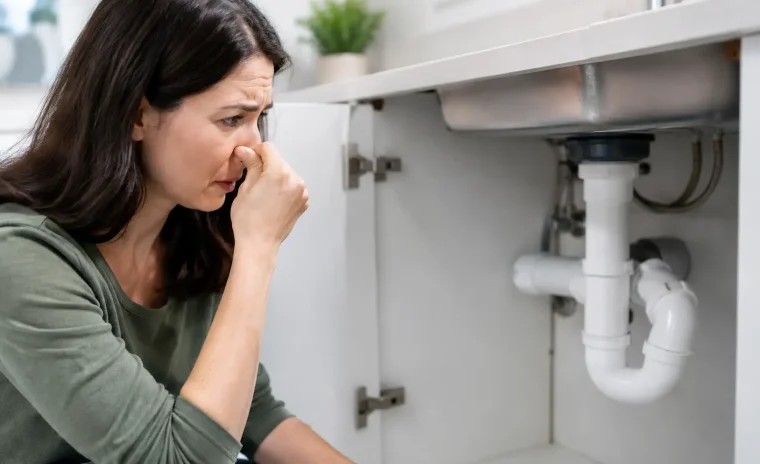
A sewer smell that appears near a bathroom, kitchen, laundry room, or floor drain is more than an unpleasant interruption. It can point to a dry drain trap, a blocked vent, a damaged sewer line, or a drain problem that is beginning to affect the whole property. This guide to sewer odor causes helps Tucson-area homeowners and property managers separate a simple maintenance issue from a plumbing condition that needs prompt repair.
The key is not to mask the odor with air freshener. Find where it is strongest, notice when it appears, and look for related symptoms such as slow drains, gurgling fixtures, wet areas, or recurring backups. Those details help identify the real cause and prevent a larger sanitation or property-damage problem.
Why Sewer Odors Should Not Be Ignored
Plumbing systems are designed to carry wastewater away while keeping sewer gases outside the building. Water-filled traps, properly operating vents, sealed pipes, and clear sewer lines all work together to make that happen. When one part of the system fails, odors can enter occupied spaces.
A brief odor after a rarely used drain dries out may be straightforward. An odor that returns after water is added, spreads through several rooms, or comes with slow drainage deserves a professional diagnosis. In older Southern Arizona homes, aging drain components, shifted sewer pipes, root intrusion, and hard-water buildup can all contribute to recurring issues.
If the odor is overwhelming or anyone feels dizzy, nauseated, or develops a headache, move people and pets to fresh air. Avoid flames or sparks near the affected area, and arrange for plumbing service as soon as possible. Strong odors are not a situation to wait out.
Guide to Sewer Odor Causes: Start With the Drain Trap
The most common and often simplest cause is a dry P-trap. This curved section of pipe sits beneath sinks and inside many floor drains. It holds water that creates a barrier between the building and the sewer system.
Guest bathrooms, laundry rooms, utility sinks, basement drains, and garage floor drains may go unused long enough for that water to evaporate. Tucson’s dry climate can speed up the process. When the water seal is gone, sewer gas has a direct path into the room.
Pouring water slowly into the drain may restore the seal. For a rarely used drain, adding a small amount of mineral oil after the water can slow evaporation. If the smell continues after the trap has been refilled, the trap may be cracked, improperly installed, or losing water because of a venting problem. That requires more than a quick pour of water.
Failed or Missing Trap Seals
A damaged toilet wax ring can create a similar problem. The ring seals the toilet to the drain opening in the floor. When it fails, odors may be strongest around the toilet base, especially after flushing. Movement in the toilet, moisture at its base, or staining around the flooring are all reasons to have the seal inspected.
Unused cleanouts and loose pipe caps can also release odors. These components should be securely sealed while remaining accessible for service. Do not permanently cover a cleanout behind walls, cabinets, or flooring just to hide a smell.
Blocked Plumbing Vents Can Pull Odors Indoors
A plumbing vent is the pipe system that runs upward through the roof. It allows air to move through the drainage system, helping water flow and protecting the water in each trap. Without proper venting, a flushing toilet or draining tub can create pressure changes that pull trap water out.
You may have a venting issue if you hear gurgling from sinks or toilets, notice toilet bowls changing water level, or smell sewer gas shortly after using another fixture. Leaves, bird nests, roof debris, or a damaged vent pipe can restrict airflow. In commercial properties, multiple fixtures producing these symptoms can indicate a larger venting or drainage design issue.
Roof work and vent inspections should be handled carefully. The visible roof opening is not always the full story, and clearing a blockage without confirming proper airflow can leave the underlying problem unresolved. A plumber can test the system, inspect accessible piping, and explain whether a repair, cleaning, or pipe modification is the right option.
Drain Buildup and Partial Clogs Create Odors Too
Not every sewer-like odor means the main sewer line has failed. Grease, soap residue, food particles, hair, and sludge can build up inside branch drains. As organic material sits in the pipe, it can produce unpleasant odors, especially in kitchen sinks and shower drains.
A partial clog often announces itself before a full backup. Water drains slowly, the sink may smell worse after use, or a shower drain may release an odor when disturbed. Store-bought chemical cleaners can sometimes damage older pipes, create hazardous conditions, or push the problem farther down the line without removing it.
Professional drain cleaning is a better fit when buildup keeps returning. Depending on the pipe condition and blockage, a technician may recommend cable cleaning, hydro jetting, or camera inspection. The right method depends on what is in the line and what the pipe can safely handle. High-pressure cleaning is effective for grease and heavy buildup, but it should be used only after the system has been evaluated.
Sewer Line Damage Is a More Serious Possibility
When odors are paired with backups, soggy ground, unusually green patches of landscaping, or several drains slowing down at once, the problem may be outside the building. A cracked, offset, collapsed, or root-filled sewer line can leak wastewater and allow odors to escape around the property or enter through drains.
Tree roots naturally seek moisture and can enter even small openings in older sewer pipes. Once inside, they catch paper and debris until flow is restricted. Ground movement, aging cast iron, deteriorated Orangeburg pipe, and damaged joints can create similar conditions.
A sewer camera inspection is often the clearest way to locate the problem before choosing a repair. It can show whether the line needs cleaning, spot repair, trenchless lining, or replacement. This diagnostic step matters because treating roots alone will not fix a broken pipe, and replacing a line without confirming the failure point can add unnecessary cost and disruption.
Watch for Multiple-Fixture Symptoms
A single smelly sink may be a local drain issue. Several fixtures acting up together point more strongly toward a main drain or sewer line condition. Pay close attention when toilets bubble as a washing machine drains, tubs fill when a toilet is flushed, or sewage appears at a shower or floor drain. These are signs to stop using water where possible and call for service promptly.
For restaurants, retail spaces, rental properties, and other commercial buildings, sewer odors can affect customers, employees, and daily operations. A fast, organized response helps limit closures and protects the property from wastewater damage.
Odors Near the Exterior May Come From Cleanouts or Leaks
An outdoor sewer odor can be harder to pinpoint because wind moves it around. Start by noting whether it is strongest near a sewer cleanout, foundation wall, landscaping area, or plumbing vent. A loose cleanout cap can be a simple fix, while persistent odor near a yard or building perimeter can indicate a leaking underground line.
Do not ignore a cleanout that has sewage around it or one that has been forced open. That usually means there is pressure from a downstream blockage. Replacing the cap without clearing and inspecting the line can lead to another overflow.
What You Can Check Before Calling a Plumber
A few observations can make service faster and more precise. Run water into seldom-used drains, check whether the odor changes after flushing or draining a sink, and identify the rooms where it is strongest. Look for obvious moisture around toilets and under sinks, but avoid taking apart drain pipes or using aggressive chemicals.
Keep a record of when the smell occurs. Does it appear only after rain, after laundry, in the afternoon heat, or whenever a specific fixture is used? Those patterns can help distinguish a dry trap from a venting problem, a drain blockage, or a sewer line issue.
If you have wastewater backing up, water coming from a cleanout, or odors throughout the building, skip the troubleshooting. Limit water use and request professional help. The goal is to protect the property while the real cause is located.
Get a Clear Diagnosis Before Choosing a Repair
Sewer odor problems are rarely solved well by guessing. Acclaimed Drain And Plumbing Solutions LLC uses a root-cause approach to identify the affected drain, vent, seal, or sewer line and provide clear options before work begins. The appropriate repair may be as simple as restoring a trap seal or as involved as cleaning, repairing, or lining a damaged sewer line.
A clean, dependable repair starts with accurate diagnosis. If an odor has returned, spread to other areas, or arrived with drainage problems, treat it as useful information from your plumbing system. Addressing it early can restore normal use, reduce the chance of a backup, and keep a manageable repair from becoming a disruption.